
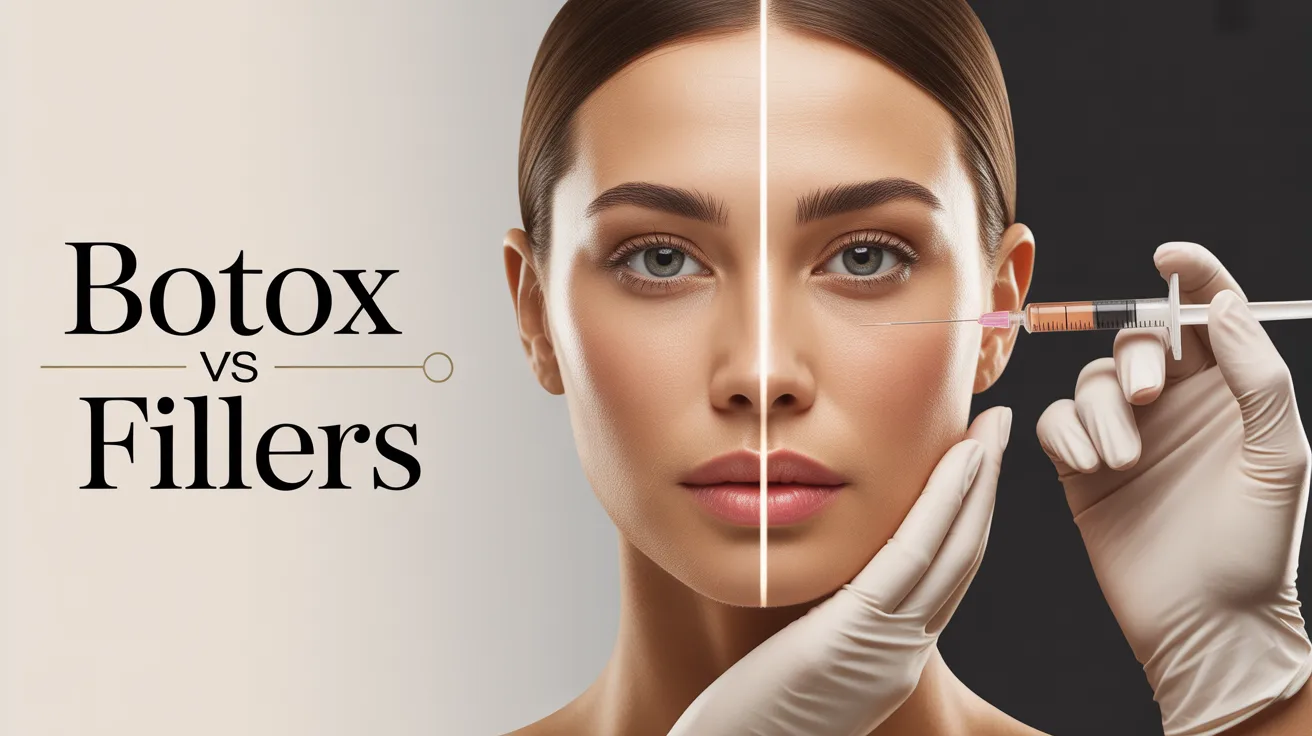
Botox vs Fillers: What’s the Difference and Which One Is Right for You?
Navigating Modern Aesthetic Enhancements
Patients seeking non-surgical methods to improve their appearance must choose between Botox vs Fillers which represent their first major decision point. These two injectable treatments deliver results through completely different mechanisms, making it essential to understand how each one works.
Botox acts as a neuromodulator which controls muscle activity that creates expression lines while fillers provide extra volume to empty spaces and deep facial lines. Understanding these differences helps you choose the right treatment for fine lines, wrinkles, or facial volume loss.
The approach you should use depends on your particular objectives, facial needs and your skin characteristics. Ultimately, your research into these choices will protect your well-being while helping you achieve your beauty goals.
What Is Botox and How Does It Work?
Botox has transformed the field of cosmetic dermatology as a purified botulinum toxin product which has been used for several decades. The treatment serves its primary purpose to eliminate “dynamic” wrinkles which develop as people smile, frown or squint.
This is why a professional Botox Treatment is widely used to target expression lines and prevent them from becoming permanent over time.
The Mechanism of Muscle Relaxation
Botox injections prevent nerves from sending contraction signals to particular muscle groups.
- The temporary “freezing” effect of these muscles results in smooth skin throughout facial expressions.
- Consequently, this prevents the skin from folding, which is how permanent creases are formed over time.
Common Treatment Areas
Most patients seek Botox for the upper third of the face. The treatment addresses three areas which include horizontal forehead lines and “eleven” lines between eyebrows and crow’s feet which appear around eyes.
The treatment provides precise results which create a refreshed appearance while preserving your ability to show emotions.
What Are Dermal Fillers and How Do They Work?
Dermal fillers operate on the principle of restoration rather than relaxation. As we age, our bodies lose collagen, elastin, and subcutaneous fat, leading to sagging skin and a hollowed appearance in certain regions of the face.
Restoring Lost Volume
Fillers are gel-like substances most commonly made of Hyaluronic Acid (HA) that are injected beneath the skin to fill in lost volume. A customized Dermal Fillers Treatment can restore facial balance by adding volume exactly where it has diminished with age.
- Because HA is a substance naturally found in the body, these treatments are generally well-tolerated.
- They provide immediate structural support to the skin, lifting tissues that have begun to droop.
Enhancing Facial Contours
Beyond treating the difference between botox and dermal fillers it is important to note that fillers are versatile tools for facial sculpting. They are frequently used to plump the lips, define the jawline, and restore volume to the cheeks or temples.
The Biological Process of Facial Aging
To truly appreciate the choice between Botox vs Fillers, one must understand how the face changes over the decades. Aging involves multiple factors, including muscle movement, skin thinning, and volume loss.
Muscle Hyperactivity and Dynamic Lines
As we use our facial muscles thousands of times a day to communicate, the skin begins to “remember” those folds.
- In younger skin, high levels of collagen allow the skin to snap back into place instantly.
- However, as that collagen production slows down, those repeated expressions turn into permanent dynamic wrinkles.
- This is specifically where Botox intervenes by providing the muscle a much-needed period of rest.
Fat Pad Depletion and Structural Sagging
Beneath the skin, the face is supported by distinct fat pads. Over time, these pads diminish in size and gravity causes them to shift downward. This leads to hollow cheeks and less defined jawlines over time.
The skin fillers work as a substitute for lost biological body volume because they restore skin to its natural state while they eliminate the dark areas which result from recessed regions of the face.
Botox vs Fillers: Key Differences
Botox and fillers take two distinct approaches to facial rejuvenation, even though both are injectable treatments. One targets the muscle, while the other targets the structure of the skin itself.
Longevity and Results
The Botox treatment produces visible effects after three to seven days which persist for three to four months. On the other hand, the dermal fillers create immediate effects which persist for six months to two years based on the type of filler and the treatment area.
Addressing Specific Wrinkle Types
A major distinction is found when comparing botox vs fillers for wrinkles. Botox is the gold standard for dynamic wrinkles caused by movement. However, fillers are superior for “static” wrinkles (those that are visible even when your face is at rest) because they physically fill the gap where the wrinkle has settled.
| Feature | Botox | Dermal Fillers |
|---|---|---|
| Primary Goal | Relax muscles to smooth lines | Add volume and lift skin |
| Active Ingredient | Botulinum Toxin Type A | Hyaluronic Acid |
| Onset of Results | 3 to 7 days | Immediate |
| Typical Duration | 3 to 4 months | 6 to 18 months |
| Best For | Forehead, crow’s feet | Lips, cheeks |
Which Treatment Is Right for Your Needs?
Choosing between these options requires an assessment of your unique facial anatomy. Many patients actually find that a combination of both treatments provides the most comprehensive rejuvenation.
Identifying Your Concerns
- If your main frustration is the appearance of lines when you are expressive, Botox is likely your best starting point.
- If you notice that your face looks tired, sunken, or if your lips have thinned over time, fillers will address those concerns more effectively.
The Importance of a Professional Consultation
Each person experiences skin aging in a unique way so there exists no universal solution. A professional consultation enables a provider to assess both your skin elasticity and your bone structure.
Furthermore, the treatment plan will maintain your natural beauty while it creates a more rested appearance through subtle feature enhancements. Many people begin their research by searching for aesthetic services near me, but choosing a qualified and experienced provider should always be the top priority.
In some cases, a virtual appointment can be a helpful first step to discuss your goals and determine whether Botox or fillers are the right option for you before visiting the clinic.
Costs and Considerations for Botox and Fillers
Every aesthetic journey requires financial planning as its essential component. The treatments need to be assessed as self-confidence investments when you compare botox and fillers costs between different options.
Analyzing the Price Points
Generally, Botox is priced per unit, making it more affordable for a single session. Fillers are typically priced per syringe, and since the results last significantly longer, the upfront cost is higher.
While both treatments are effective, their pricing structures differ significantly depending on frequency and longevity of results.
Maintenance and Frequency
Since Botox wears off faster, you may find yourself scheduling appointments three or four times a year. Fillers need only one touch-up treatment each year while some patients can maintain their results for eighteen months before needing additional work.
The annual beauty budget analysis requires long-term assessment when you evaluate the botox vs fillers cost comparison.
Preparing for Your Procedure
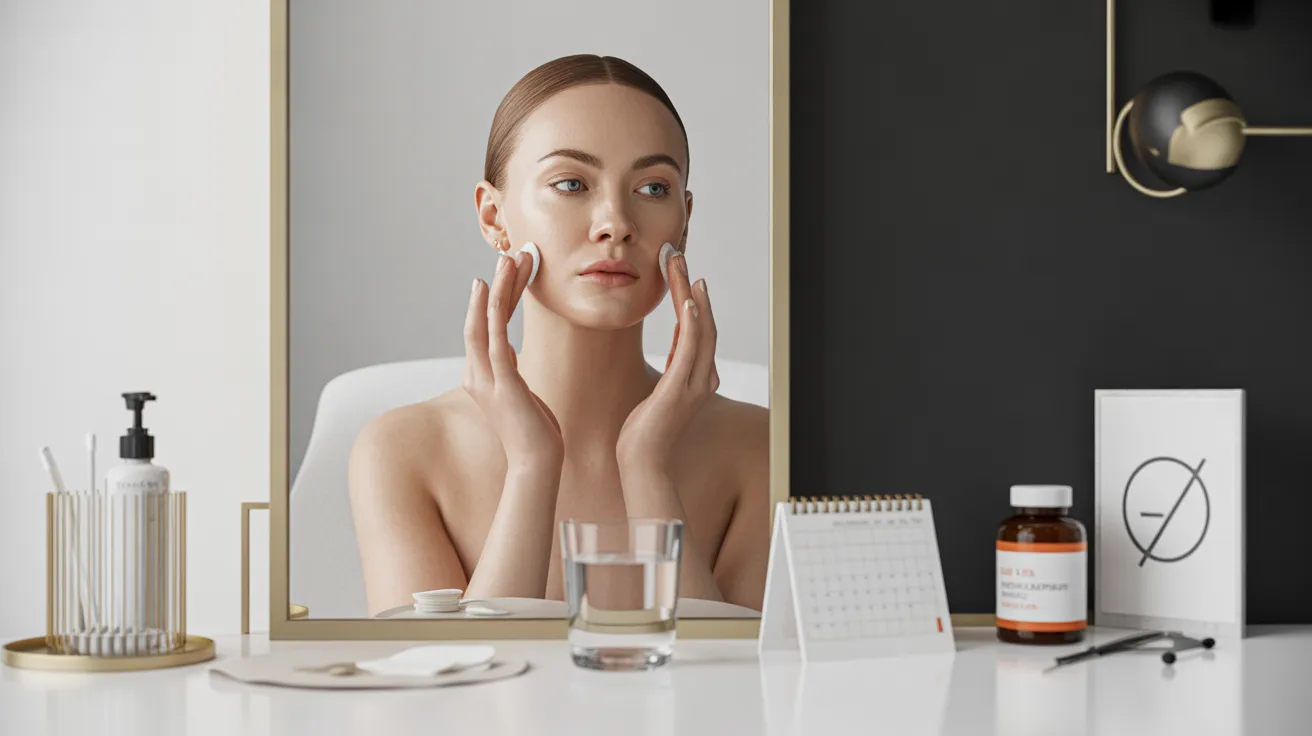
To achieve the best results with either Botox or Fillers, proper preparation is essential. The procedure helps to reduce side effects which include bruising while providing the best skin condition for injection.
Pre-Appointment Protocol
You should stop using blood-thinning supplements which include fish oil, vitamin E and ginkgo biloba during the week before your appointment. The skin becomes less sensitive when active skincare ingredients which include retinoids and AHAs stop being used three days before the event.
Lifestyle Adjustments
Alcohol consumption should stop 48 hours before your appointment because this method effectively prevents bruising. The person needs to arrive at the appointment with a completely clean face which has no makeup so that the medical team can maintain sterile conditions for their injections.
Recovery and Aftercare Tips
The treatments require no downtime but specific aftercare instructions bring better product results which last longer.
Immediate Post-Care
After receiving Botox treatment, patients need to wait four hours before they can lie down or touch their treated areas.
- The neuromodulator needs to remain in its intended muscles which massaging and lying down would obstruct.
- You may use a cool compress for gentle application to the filler area which helps reduce swelling and tenderness that has occurred.
Long-Term Maintenance
The two essential habits which people need to follow for their appearance maintenance require them to stay hydrated and apply sunscreen every day. The body loses natural collagen together with hyaluronic acid present in fillers through UV exposure while hydration maintains skin moisture which creates a plump and radiant appearance.
Adapting Treatments to Your Age
Your aesthetic needs change as you move through different stages of life, and the way we use Botox vs Fillers should reflect those changes.
Prejuvenation in Your 20s and 30s
The practice of prejuvenation uses Botox in your 20s and early 30s as a preventive measure.
- By relaxing the muscles before deep wrinkles form, you can delay the onset of aging.
- The purpose of fillers during this period is to provide facial enhancements which include subtle lip plumping and jawline definition.
Restoration in Your 40s and 50s
People in their 40s and 50s need restoration procedures because their bodies start to lose volume.
- Fillers become essential for lifting sagging tissues in the cheeks and smoothing the nasolabial folds.
- Botox remains a staple but is used more strategically to soften established lines while maintaining facial harmony.
Safety and Long-Term Considerations
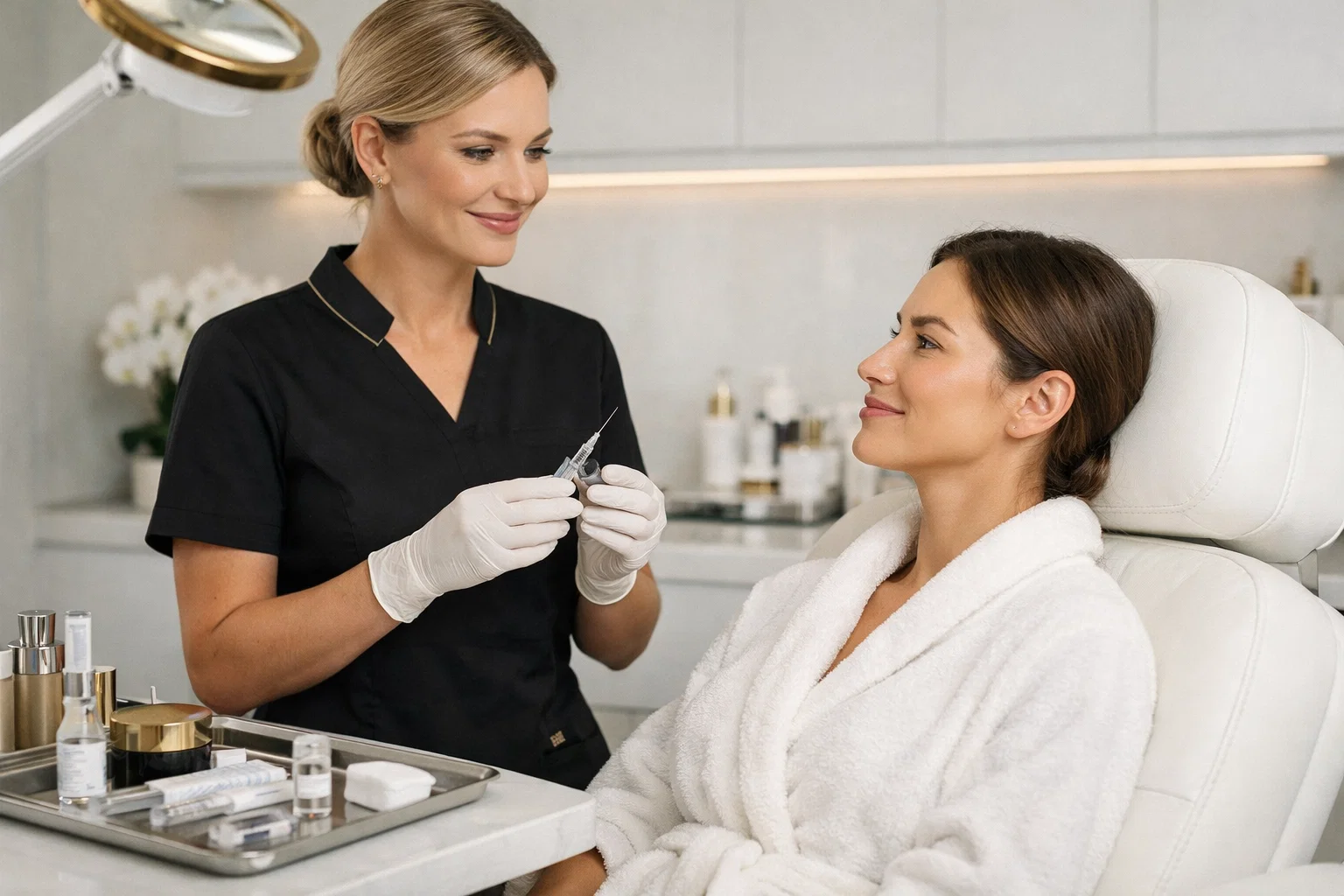
Choosing to undergo aesthetic procedures is a significant decision that involves understanding both the benefits and the potential risks.
Understanding Side Effects
Side effects occur as uncommon events. The typical side effects of this condition include mild injection site redness, swelling and localized bruising. By adhering to post-care instructions, most patients find that these minor issues resolve within a few days.
Why Quality and Expertise Matter?
The face requires both excellent product quality and skilled injector techniques to achieve optimal results. Deep knowledge of facial anatomy enables professionals to prevent complications while achieving natural results which do not appear overdone.
Where Are Professional Botox Preparation and Clinical Oversight Offered?
Preparing for an injectable treatment requires a sterile, professional environment that follows strict medical protocols. Choosing a facility that operates as both a primary care clinic and an aesthetic center ensures that cosmetic goals are met with the same level of safety and care as a medical procedure.
LIV MED specializes in professional Botox treatments integrated within a clinical wellness environment. By combining high-end aesthetics with urgent and primary care expertise, the facility provides a safe and comfortable experience for every patient looking to enhance their appearance through medical-grade rejuvenation.
In The End
People can achieve their aesthetic goals through the initial step of selecting between Botox vs Fillers. The decision-making process requires knowledge of these tools because you want to reduce expression lines and regain lost facial volume in your cheeks and lips. Experienced professionals assist you in developing a personalized approach which improves your natural features while protecting your facial expressions. Ultimately, the right injectable treatment provides more than just a youthful appearance. In fact, it offers the confidence to put your best face forward every day.