Medical Weight Loss vs Diet: Which Is Better
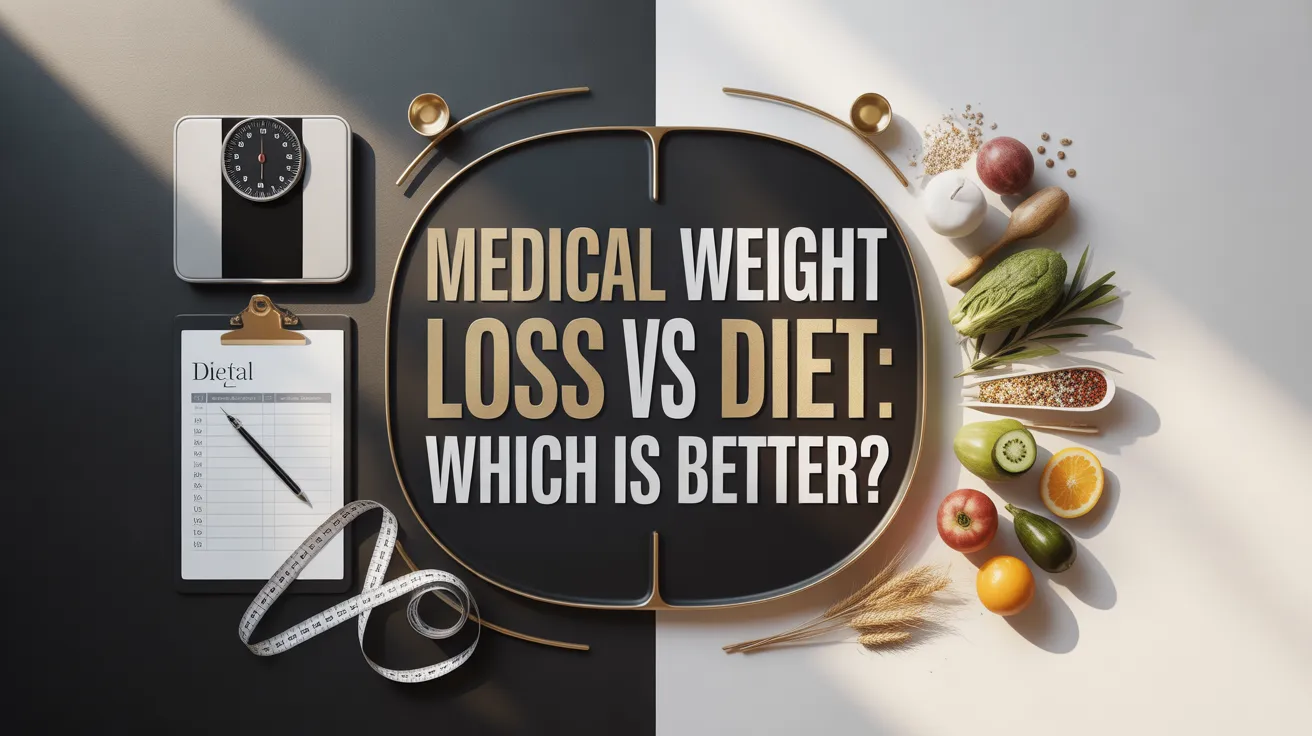
Choosing between medical weight loss vs diet can feel confusing, especially with so many trends and mixed advice out there. While traditional diets rely on self-discipline and calorie control, medical weight loss focuses on understanding your body and removing the hidden barriers that make weight loss difficult.
This choice often marks the difference between a temporary “quick fix” and a sustainable transformation that prioritizes metabolic health and hormonal balance. Understanding these nuances is essential for anyone aiming to reduce chronic disease risk or simply feel more energetic in their daily life. This guide explores the fundamental differences between these services to help you manage your wellness with total confidence.
What Exactly Is Medical Weight Loss and How Does It Work?
Medical weight loss is a comprehensive, science-based approach to shedding pounds under the direct supervision of healthcare professionals, often delivered through structured Medical Weight Loss Services designed to support safe and long-term results.
Clinical Oversight and Diagnostics
The foundation of a medical program is a deep dive into the patient’s unique biology.
- This process begins with a comprehensive blood test which assesses thyroid activity and insulin sensitivity and hormone production levels.
- Clinicians identify metabolic issues and create a plan that works with your body, not against it.
- This level of doctor supervised weight loss vs diet protocols ensures that any pre-existing conditions, such as hypertension or Type 2 diabetes, are managed safely throughout the process.
Based on these results, providers may also recommend Hormone Optimization Treatment to address underlying imbalances that can slow down weight loss progress.
Pharmaceutical Support and Behavioral Therapy
Medical programs may include Doctor Prescribed Weight Loss Medication, such as FDA-approved GLP-1 agonists, which help control appetite and slow digestion to support more effective weight management. The “magic pills” function as treatment tools which assist patients who experience extreme hormonal distribution problems.
Additionally, medical programs use cognitive-behavioral therapy to treat emotional eating issues, providing a holistic framework that extends far beyond the kitchen. For patients with more complex weight-related health needs, our obesity treatment program provides specialized clinical support.
How Diet-Only Weight Loss Works?
How Diet-Only Weight Loss Works
How Diet-Only
Weight Loss Works
Understanding the caloric deficit model, popular approaches, and the hidden challenges of going it alone.
Consuming fewer calories than your body burns creates a deficit — the energy gap your body fills by breaking down stored fat for fuel.
The typical path to body transformation for most people starts with self-directed weight loss through standard dieting methods. It is primarily built on the principle of a caloric deficit, consuming fewer calories than the body burns.
The Mechanism of Caloric Restriction
When you embark on medical weight loss vs diet plans, you’ll notice that standard diets are often less rigid about biological monitoring. Most people choose a specific philosophy, such as:
- Keto dieting
- Mediterranean
- Intermittent Fasting
- Track macronutrients using mobile apps
This approach can work for people with a healthy metabolism, but it often assumes that all calories are equal, which isn’t always true.
The Role of Personal Accountability
The success of diet-only methods depends on the person’s capacity to prepare meals and control their urges and exercise consistently without any professional help. The freedom to make decisions about their life empowers many people.
However, without a doctor supervised weight loss vs diet structure, it is easy to lose muscle mass instead of fat or to inadvertently trigger a “starvation response” that stalls progress and leads to the dreaded “yo-yo” effect.
Medical Weight Loss vs Diet: Key Differences
While both methods share the goal of a leaner body, the medical weight loss vs diet comparison highlights two distinct philosophies: one focused on lifestyle modification and the other on physiological correction.
Personalized vs. Generalized Guidance
Standard diets are usually “one-size-fits-all” or based on broad demographic data.
- In contrast, medical programs are highly personalized.
- For instance, We analyze how a patient’s specific lifestyle and body chemistry interact before recommending a path.
- The process helps determine which approach works best for each individual.
Sustainability and Metabolic Adaptation
A major distinction is found when comparing medical weight loss benefits vs dieting. The body enters metabolic slowdown during traditional dieting because it requires fewer calories to function at basic levels which leads to weight loss.
Medical programs use specific nutritional adjustments and sometimes medication to prevent this adaptation, making it easier for patients to keep their weight loss after they finish the active treatment program.
| Feature | Medical Weight Loss | Dieting |
|---|---|---|
| Supervision | Doctor guided | Self managed |
| Plan Type | Personalized | General plans |
| Medication | If needed | Not included |
| Testing | Lab based | Rarely used |
| Focus | Hormones + metabolism | Calories |
| Best For | Chronic weight issues | Mild weight loss |
| Results | More sustainable | Often short term |
Benefits and Risks of Medical Weight Loss Programs
Every clinical intervention carries a balance of pros and cons. Understanding medical weight loss benefits vs dieting is crucial for setting realistic expectations.
Enhanced Safety and Efficacy
Medical weight loss programs are generally safer and more effective, especially for people with underlying health conditions. Patients with underlying heart conditions or joint issues can lose weight without putting undue stress on their systems.
Furthermore, the results are often more rapid and consistent because the program design meets the unique needs of each patient’s metabolic system.
Potential Side Effects and Costs
Medical programs present “risks” which include medication side effects that require physician management to handle symptoms like nausea and digestive changes.
- Additionally, the total costs require a higher commitment than which people typically spend on gym memberships and grocery shopping.
- The professional intervention shows its worth when you compare it to the long-term savings on chronic disease medication and healthcare visits.
Choosing the Right Approach for Your Goals
Choosing the right approach depends on your health, goals, and past experience with weight loss. For many individuals, guidance from a trusted family healthcare provider can make the decision easier, especially when dealing with underlying conditions or repeated weight loss challenges.
When to Stick to a Standard Diet
A person who wants to lose only 10 to 15 pounds but lacks any metabolic disease should choose between two options: medical weight loss vs diet plans according to a structured comparison.
People with strong metabolic systems can achieve their goals through three methods which include:
- Increasing their protein consumption
- Getting sufficient sleep
- Maintaining regular strength training.
When to Seek Medical Intervention
If you have a BMI over 30, struggle with PCOS, or have repeatedly ‘failed’ at standard diets despite your best efforts, medical oversight is recommended. In many cases, a physician supervised weight loss program can provide the structure, monitoring, and medical support needed to overcome challenges like insulin resistance or hormonal imbalances.
The Role of Exercise in Both Models

Physical activity operates as an essential component that people must maintain for their health. However, the two models recommend different exercise types for their respective users.
Prescriptive Exercise in Medical Care
In a clinical setting, exercise is often prescribed as medicine. Rather than just telling a patient to “do more cardio,” a medical provider might recommend specific resistance training to preserve lean muscle mass during rapid weight loss.
This is a critical part of the medical weight loss benefits vs dieting equation, as muscle is the most metabolically active tissue in the body.
Self-Guided Fitness
People who follow a typical diet plan will exercise excessively because they want to make up for their unhealthy eating patterns. This behavior may result in burnout and injuries.
The path to maintaining a personal exercise program needs a balanced method which emphasizes joyful movement and strength development instead of focusing only on burning calories.
Nutritional Education: The Key to Maintenance
Weight loss is only half the battle; maintaining that loss is where the true challenge lies. This is where education becomes more valuable than the initial intervention.
Learning the “Why” Behind the Food
- A medical program doesn’t just tell you what to eat; it teaches you how your body processes different macronutrients.
- The understanding of glycemic load and its impact on energy levels enables you to make decisions which last beyond the program.
Developing a Sustainable Food Relationship
Standard diets often create a “good versus bad” food perception among people. Medical programs strive to move away from this restrictive mindset, focusing instead on nourishment and metabolic flexibility. This psychological shift is what ultimately prevents the weight from returning.
Where Is Medically Supervised Weight Loss and Comprehensive Primary Care Located?
Achieving significant weight loss is often more successful when treated as a clinical priority rather than a solitary diet plan. Choosing a provider that offers both medical weight management and urgent care ensures the journey is safe, monitored, and supported by experts who understand metabolic health.
If you’re looking for medically supervised weight loss along with primary care support, choosing a clinic that offers both can make a big difference. At Liv Med, patients receive personalized guidance, ongoing monitoring, and care that adapts to their progress, helping support safe and long-term results. Many patients also benefit from Telemedicine & Virtual Care, which allows them to stay connected with their provider, follow up on progress, and receive support without needing frequent in-person visits.
Medical Weight Loss vs Diet: Final Thoughts
Choosing between medical weight loss and dieting depends on your body, your goals, and your past results. While traditional diets may work for short-term weight loss, medical weight loss offers a more structured and personalized approach, especially for people dealing with metabolic or hormonal challenges. The right choice is the one that helps you stay consistent, healthy, and confident in the long run.
If you’ve struggled with dieting or feel stuck despite your efforts, exploring a medically guided approach could be the next step toward real, lasting results.