
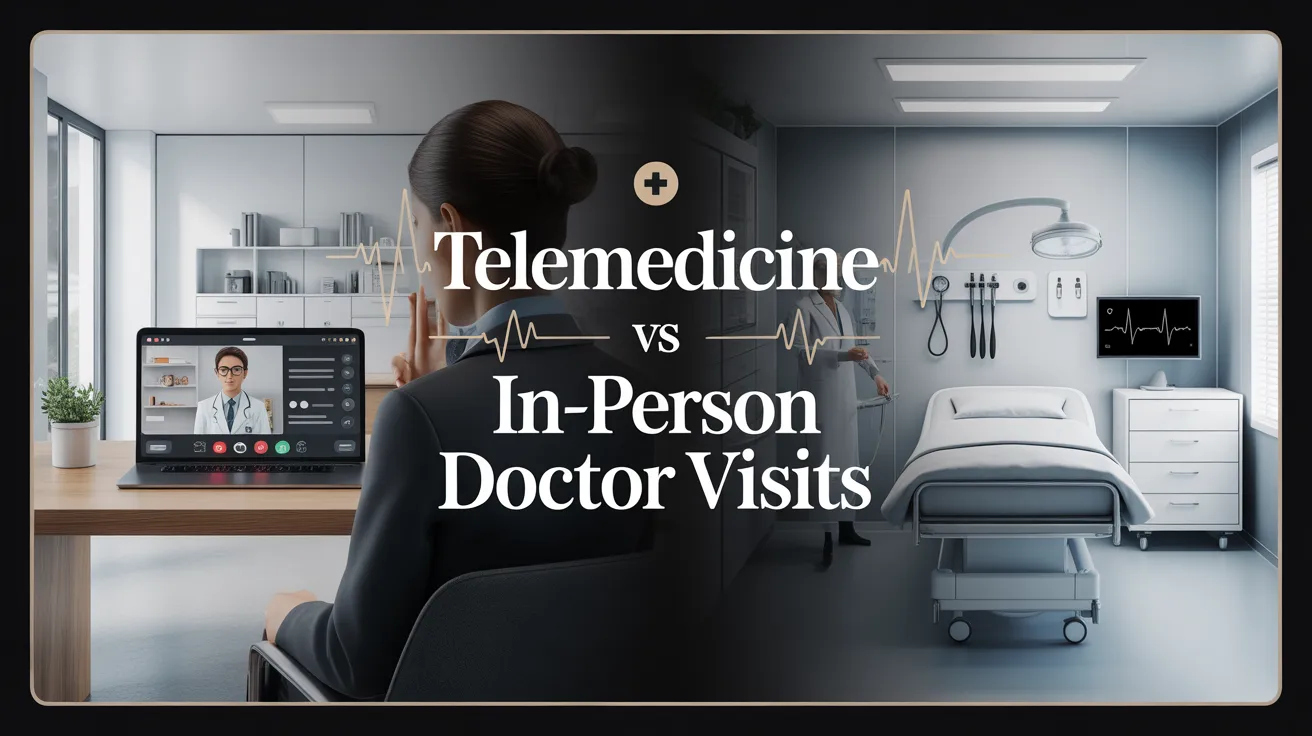
Telemedicine vs In-Person Doctor Visits: Which Is Right for You?
Healthcare access in the United States has changed significantly, and patients now often compare telemedicine vs in-person doctor visits before scheduling care. This evolution was accelerated by technological advancements and shifting patient expectations, creating a dual-system approach that prioritizes both convenience and clinical depth.
The first method enables users to connect through secure video calls, patient portals, phone visits, and messaging tools, while the second method delivers essential medical services through direct contact with a family healthcare provider. Choosing the right visit type depends on understanding how these two different treatment methods work.
Ultimately, the decision depends on the nature of your symptoms, the complexity of your medical history, and your personal lifestyle preferences. This guide presents the unique benefits of each option to assist you in making a decision for your upcoming medical appointment.
What Is Telemedicine?
The field of telemedicine provides health services through electronic systems and telecommunication networks which transmit medical information. It allows long-distance patient and clinician contact, care, advice, reminders, education, interventions, monitoring, and remote admissions.
The Rise of Virtual Care
In recent years, the shift toward a virtual care vs in-person healthcare model has allowed patients in rural or underserved areas to access specialists that were previously out of reach.
- The use of high-definition video conferencing together with secure messaging enables physicians to provide remote evaluations of various medical conditions.
- Furthermore, the use of wearable health technology enables doctors to monitor vitals such as heart rate and glucose levels anytime which allows them to stay connected with their patients at home.
Technology and Privacy Standards
Modern telemedicine platforms are designed to follow HIPAA privacy standards and help protect patient information during online consultations.
- Virtual appointments typically take place through dedicated portals which enable doctors to share lab results and imaging studies with patients.
- Patients can use these portals to discuss health concerns privately and securely.
What Happens During an In-Person Visit?
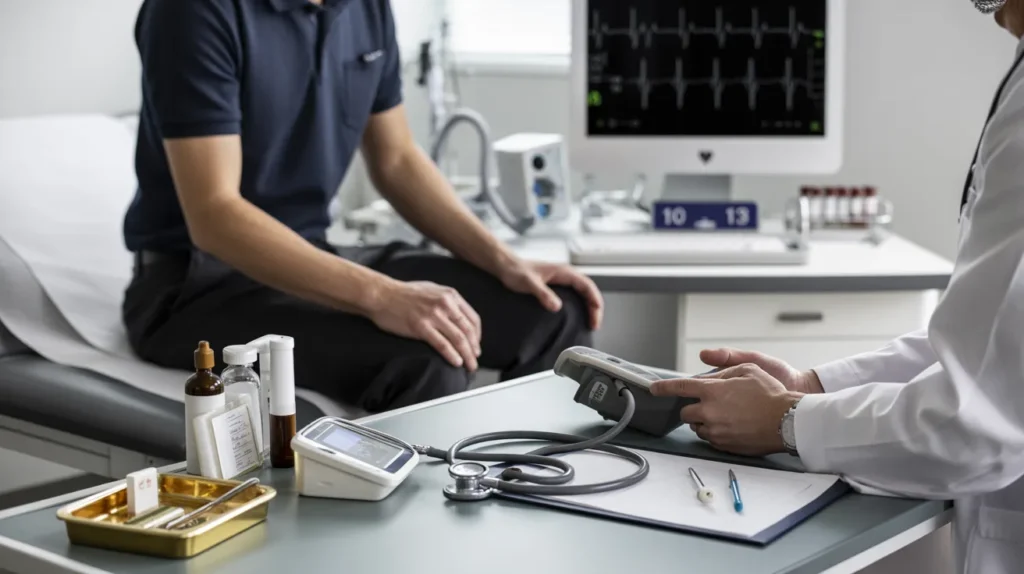
Even with the growth of telemedicine, the telemedicine vs traditional doctor visit debate often highlights the necessity of the physical exam, especially for routine care such as a Wellness Physical Exam. The essential component of traditional medicine depends on in-person visits, which enable doctors to evaluate patients through methods that current technology cannot fully replicate.
The Physical Examination Process
When you arrive at the clinic, the visit usually begins with vitals and a hands-on physical exam. This includes:
- Taking manual blood pressure readings.
- Listening to heart and lung sounds with a stethoscope.
- Palpating specific areas for tenderness or swelling.
These tactile cues are often the “missing pieces” of a diagnostic puzzle, especially when dealing with complex internal issues or musculoskeletal injuries.
On-Site Diagnostic Capabilities
One major advantage of an in-person visit is access to on-site testing and medical tools. The facility offers EKG testing, rapid strep testing and blood drawing services, all available in one location.
Providing a comprehensive environment where diagnosis and treatment plan initiation happen simultaneously reduces the “wait and see” period often associated with remote testing. For acute symptoms, in-person sick visits provide comprehensive evaluation and on-site testing.
Pros and Cons of Telemedicine
Evaluating telemedicine vs in-person care requires an honest look at the trade-offs between convenience and clinical limitations. Every patient has different priorities, and what works for a routine refill might not work for a sudden injury.
The Advantages of Digital Access
- Unmatched Convenience: You can consult with a provider from your home or office, eliminating travel time.
- Cost Savings: Lower overhead often results in reduced co-pays and saves money on transportation or childcare.
- Reduced Exposure: Remote visits prevent you from sitting in a waiting room with other ill patients, which is vital for immunocompromised individuals.
- Speed: Many virtual platforms offer same-day “on-demand care” for minor ailments.
The Limitations Of Remote Consultations
The most significant drawback in the telehealth vs in-person doctor visit comparison is the inability to perform physical interventions.
- A doctor cannot look into your ear canal or perform a pelvic exam through a screen.
- The technical problems which include bad internet connection result in communication breakdowns, making it harder for patients to explain their symptoms or medical history clearly.
Pros and Cons of In-Person Visits
In-person visits are often preferred when a physical exam, testing, or detailed evaluation is required.
The Strengths of the Traditional Model
In-person visits can make communication feel more personal and help doctors notice important physical signs.
- Additionally, doctors can detect nonverbal signs such as changes in skin color, posture, or movement that may be missed during a video visit.
- In-person care can be better for sensitive conversations, complex conditions, and visits that require a detailed exam.
The Challenges of Physical Appointments
The time requirements act as the main disadvantage of the system. The entire process of an in-person appointment requires several hours because it includes:
- Time spent driving to the location
- Waiting in the waiting area
- Receiving treatment in the examination room.
People who have mobility difficulties and those who do not have dependable transportation options face a major challenge when trying to reach physical clinics.
When to Choose Telemedicine vs In-Person?
Choosing between telemedicine appointment vs in-person care is about matching your symptoms to the right environment. Not all medical issues are created equal, and knowing where to go can save you both time and money.
Ideal Scenarios for Telemedicine
Virtual visits are perfect for “low-touch” medical needs. This includes:
- Prescription Refills: If you have been on a stable medication for years, a quick check-in is sufficient.
- Minor Infections: Common issues like pink eye, seasonal allergies, or simple rashes are easily diagnosed via video.
- Mental Health Support: Therapy and psychiatry are exceptionally well-suited for the digital space.
- Follow-Up Appointments: Discussing lab results or checking progress on a healing wound.
Scenarios Requiring an In-Person Visit
You should always choose a physical visit for “high-touch” or diagnostic-heavy needs:
- Acute Injuries: Suspected fractures, deep lacerations, or severe sprains.
- New Symptoms: Unexplained abdominal pain, chest tightness, or persistent lumps.
- Well-Child Visits: Pediatric care requires growth measurements and vaccinations.
- Chronic Management: Conditions like COPD or Heart Failure require regular physical monitoring of the heart and lungs.
The Hybrid Model: A New Standard of Care
Modern practices achieve their best results through hybrid models which unite two different systems. The system helps match patients with the right level of care because it creates customized solutions which meet their unique needs. By utilizing virtual care vs in-person healthcare tools strategically, providers can offer a more responsive experience.
Coordinating Your Care Plan
Patients may start with a telemedicine visit to discuss symptoms and determine whether an in-person exam is needed. If physical assessment is required, the provider can recommend an in-person follow-up.
The provider can document the virtual visit and use that information if an in-person exam is needed. Furthermore, this approach creates benefits through two different systems which enhance operational efficiency and patient satisfaction.
Maximizing Patient Outcomes
Many patients find it easier to follow care plans when both virtual and in-person options are available. The digital option enables users to reach their healthcare provider for minor inquiries while the physical office serves as their main location for receiving advanced medical services.
Cost Comparison and Insurance Coverage

When analyzing a telemedicine vs traditional doctor visit, the financial aspect is often a deciding factor. In the United States, many insurance plans now include telemedicine coverage, but benefits vary by plan and state.
Understanding Co-Pays and Billing
Most major insurance carriers now cover telehealth at a similar rate to in-person visits. Some plans establish lower co-pay costs for virtual visits to promote their use in treating minor medical problems.
Your particular coverage needs verification because “facility fees” which apply to physical clinics do not apply to virtual clinics, resulting in decreased out-of-pocket expenses.
The Long-Term Value of the Right Choice
The correct choice prevents “double billing” cases when patients need to pay for a telemedicine appointment which requires a subsequent physical examination. Your healthcare spending becomes more effective when you first assess your needs accurately.
Preparing for Your Next Appointment
Regardless of the medium, the quality of your healthcare depends on the information you provide. Being prepared will help your doctor make the most of the time, whether it is on a screen or in a room.
For Your Telemedicine Visit
- Check Your Tech: Ensure your camera and microphone are working ten minutes before the call.
- Find a Private Space: Choose a quiet, well-lit room where you won’t be interrupted.
- Have Vitals Ready: If you have a thermometer or blood pressure cuff, take your readings beforehand.
For Your In-Person Visit
- Bring Documentation: Have your current medication list and any recent outside lab results ready.
- Arrive Early: Allow time for paperwork and the initial vitals check by the nursing staff.
- Dress Appropriately: Wear loose clothing if you are seeking help for a musculoskeletal issue.
Informative Comparison Table
Choosing Between Telemedicine and In-Person Care
Choosing between telemedicine and in-person care depends on your symptoms, medical history, and the type of evaluation you need. Telemedicine can be convenient for routine concerns, follow-ups, medication refills, and minor illnesses, including many common adult health concerns, while in-person visits remain important when a physical exam, lab testing, imaging, or hands-on treatment is required.
The best approach is often a hybrid one. Understanding the difference between telemedicine vs in-person doctor visits helps patients make faster and more informed healthcare decisions.
Where Can You Get Both Telemedicine and In-Person Doctors?
Many healthcare providers today offer both telemedicine and in-person doctor visits, giving patients the flexibility to choose the right type of care based on their symptoms. Clinics, urgent care centers, and integrated practices like LIV MED provide access to virtual consultations as well as physical appointments within the same system.
This hybrid model allows you to start with a telemedicine visit for quick evaluation and move to an in-person appointment if a physical exam, lab test, or imaging is needed. Choosing a provider that offers both options helps ensure continuity of care, better communication, and a smoother overall healthcare experience.