How Do GLP-1 Medications Work? Weight Loss, Benefits & Side Effects
Your body naturally produces a hormone that tells your brain when you’re full. It operates stealthily following meals and vanishes in minutes. GLP-1 medications mimic the hormone and keep it active in a state of constant activity longer than intended. One change has three effects on the appetite, digestion and insulin release and blood sugar control.
The rationale for using these drugs is two-fold. Others use them to control the blood sugar levels in a person with type 2 diabetes. Some people are aiming for a specific approved version for chronic weight management where diet and exercise have failed to achieve weight loss. So how do GLP-1 medications work inside the body and what can you realistically expect in the first few months?
What Are GLP-1 Medications?
GLP-1 receptor agonists are prescription medications that mimic the action of the hormone that is naturally produced in your gut. They are given as a weekly or daily injection and one version comes as a daily tablet. They are prescribed to help control blood sugar levels in people with type 2 diabetes and, in some approved types, people with obesity. This is why many people ask, “how do GLP-1 medications work?”
What Does GLP-1 Stand For?
GLP-1 or glucagon-like peptide 1, is a short form of the word for glucagon-like peptide 1. It is part of a group of gut hormones known as incretins which connect food to fuel utilization.
What Is the GLP-1 Hormone?
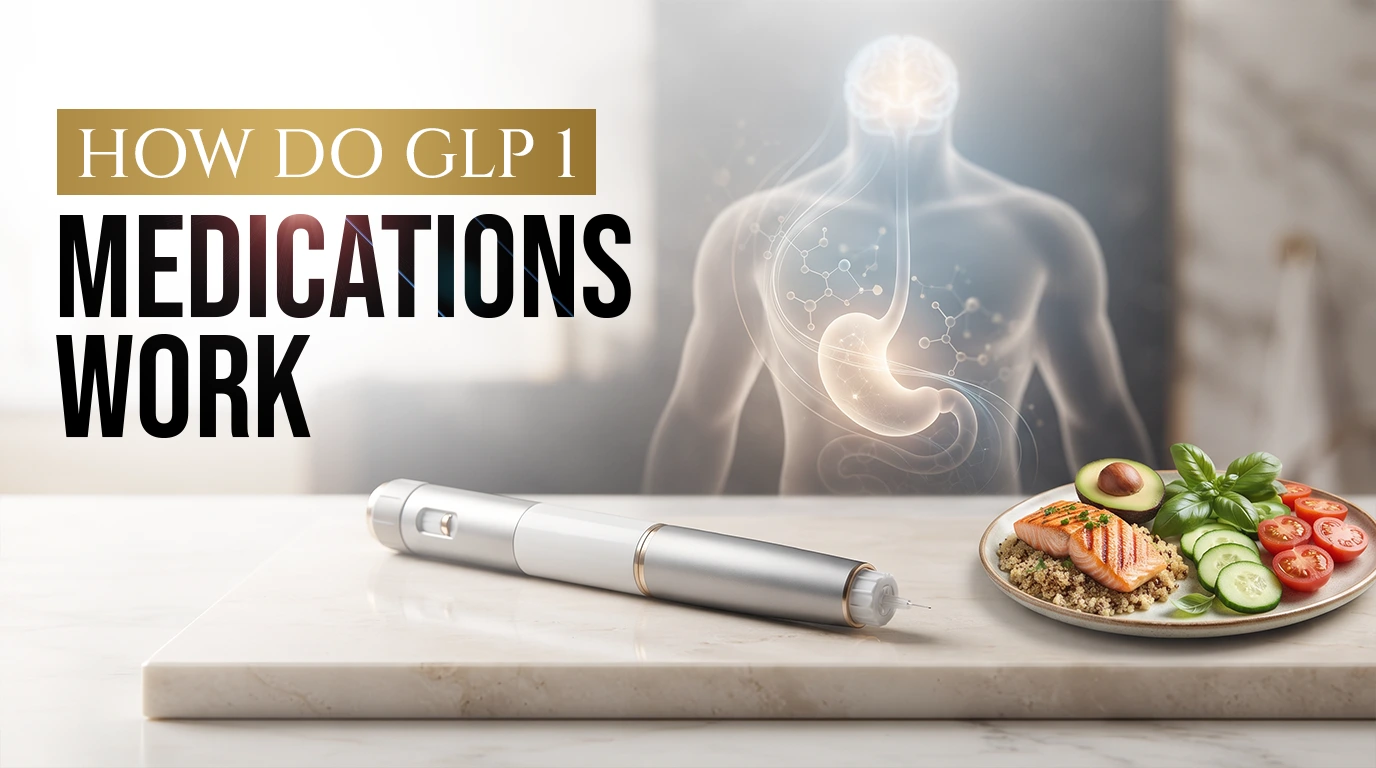
As soon as food hits your small intestine, cells make GLP-1. The hormone then relays to your pancreas, stomach and brain that a meal is coming. It boosts insulin levels, helps to calm down hunger signals and slows down your stomach. These effects explain how GLP-1 works in the body.
The natural form of GLP-1 is strong but short-lived. It is degraded in 2 minutes or less, so a hormone alone can’t maintain weight or blood sugar levels for long.
How GLP-1 Medications Differ From Natural GLP-1
Drug makers modified the structure of the hormone, so that enzymes have less ability to rapidly break it down. The outcome is a molecule similar to your natural GLP-1, but with a longer duration of effect, an hour or more daily versus only minutes.
It is the extended action that is the point. When you used to get a signal at the end of your meal that you’ve had enough, this one now remains on for an entire week.
Common GLP-1 and GLP-1 Based Medications
Several options exist and they are not interchangeable. They all have their own dosage regimen and indications. Different GLP-1 therapies also have different dosing and titration schedules.
- Semaglutide: available as a weekly injection and a daily oral tablet, approved for type 2 diabetes and, in a separate higher dose form, for chronic weight management.
- Liraglutide: a daily injection, approved for type 2 diabetes and in a separate form, for weight loss in eligible adults and some adolescents.
- Tirzepatide: a weekly injection that activates both GLP-1 and GIP receptors. This dual action targets two incretin pathways at once.
Your prescriber will choose the medicine depending on your diagnosis, other health conditions, the cost of your medication and your tolerance of it. That matching process is what a visit about prescription weight loss medications is designed to cover.
How Do GLP-1 Medications Work?
Let’s take it step-by-step to understand how GLP-1 medications work. They attack five systems simultaneously and they help the other systems.
- They reduce appetite and hunger: These reach the appetite control centers of the hypothalamus, the region of your brain that determines when you’re hungry or full. When the receptors are activated, hunger is muted.
- They slow gastric emptying: Food is emptied more slowly from the stomach while on treatment. Foods that once passed in one hour can take a lot longer to clear and consequently will stay full for a lot longer after eating.
- They Help Regulate Blood Sugar: Over time, they stabilize glucose levels and prevent your blood vessels, kidneys, nerves and eyes from becoming affected. That’s why these medications were used as a primary treatment for diabetes long before they were promoted as weight-loss medications, and why they sit naturally alongside diabetes and cholesterol care rather than apart from it. This also explains how GLP-1 lowers blood sugar.
- They increase glucose dependent insulin release: They make your pancreas secrete insulin only when blood sugar is high. If the sugar is in the normal range, the insulin push is turned off a lot of the time.
- They reduce glucagon signaling when glucose is elevated: Glucagon is the hormone that tells your liver to dump stored sugar into your blood. GLP-1 activity suppresses glucagon when glucose is already high, so your liver stops adding fuel you did not ask for.
Anyone asking how GLP-1 medications work for weight rather than blood sugar arrives here. Stack the five effects together and a pattern appears. You’re not hungry as much, you are full quicker, you are full longer and your blood sugar level doesn’t rock back and forth as much anymore, which means you don’t get hungry as often. This is also how GLP-1 medications work for weight loss.
How Do GLP-1 Medications Cause Weight Loss?
GLP-1 weight loss happens through behavior change that the medication makes easier, not through fat burning. Nothing in the drug melts fat directly. This explains why people often ask how GLP-1 works for weight loss.
Why You May Feel Full Faster
Due to slow stomach emptying, a smaller amount will give you the same feeling of fullness that you would have from a larger amount. Many patients have reported they stop mid-plate, but have eaten a whole month ago.
Why Food Cravings May Decrease
GLP-1 signalling also influences reward pathways in the brain. Things you used to look forward to eating or drinking don’t seem to attract you anymore, including alcohol for some. These changes in brain reward pathways are another part of how GLP-1s work.
How Reduced Calorie Intake Contributes to Weight Loss
A few hundred fewer calories per day add up over time. In a few months, the consistent difference in calories eaten and calories burned results in measurable fat loss.
On average, total body weight loss in clinical trials is about 5 percent or higher, up to 20 percent, depending on the drug, dosage and length of treatment.
Why Weight Loss May Slow Down Over Time
More or less, everybody experiences a weight loss plateau at some stage. The calorie gap widens as you lose weight; the body will reduce its calorie needs on its own as you lose weight.
Your prescriber may then adjust your dose or prescribe protein supplements to increase protein intake and resistance training. When a patient reaches a plateau, it does not mean treatment has failed, but rather that it’s a normal part of treatment, and it is usually handled inside a physician supervised weight loss program rather than by stopping the medication.
Can GLP-1 Medications Help With Weight Loss if You Don’t Have Diabetes?
Yes, some medicines and some patients. The number of people looking for GLP-1 weight loss non diabetic options has increased dramatically and it’s easy to see why. Today, obesity is viewed as a chronic illness and not a matter of will. This is one reason searches for GLP-1 weight loss continue to grow among people without diabetes.
GLP-1 Medications for People Without Diabetes
People with an average amount of weight loss have been included in large trials of those who do not have diabetes. Even if blood sugar levels are within the normal range, insulin resistance is prevalent in obesity and these drugs have a long way to go.
Which Medications Are Approved for Weight Management?
Not all versions include weight loss indications. Specific higher dose formulations of semaglutide, liraglutide and tirzepatide have been approved by the FDA as a weight loss medication for chronic weight management.
Other versions of these medicines are only licensed for diabetes. If a diabetes labeled version is prescribed and used solely for the purpose of weight, this is an off-label use and not an approved indication and may not be covered by insurance.
Who May Be Considered for Treatment?
The general criteria for the approval of obesity treatment are:
- A BMI of 30 or higher.
- A BMI of 27 or higher along with at least one weight-related condition such as high blood pressure, sleep apnea, high cholesterol or prediabetes.
- A documented history of attempting lifestyle changes without lasting success.
The GLP-1 weight loss non diabetic conversation online often skips one detail. Eligibility rests on measurements and medical history, not on preference.
GLP-1 Weight Loss in the First Month
Expectations set the tone for the whole treatment, so it helps to know what month one actually looks like. How do GLP-1 medications work in the first four weeks? Slowly and on purpose.
What to Expect During the First Few Weeks
Appetite changes usually arrive before scale changes. Many patients notice smaller portions and less snacking within one to two weeks, while visible weight change takes longer.
Why the Starting Dose Is Often Lower
Every one of these drugs begins at a low introductory dose that is deliberately below the therapeutic range. Doctors call this titration and it exists to let your digestive system adapt.
Starting at full strength would trigger severe nausea in most people. The slow climb protects tolerability, even though it delays results.
Why Early Weight Loss Varies
Fluid shifts, hormone cycles, sodium intake and bowel changes all move the scale during early treatment. That noise can easily mask two or three pounds of genuine fat loss.
Is Losing Weight in the First Month Guaranteed?
No. GLP-1 weight loss first month results commonly fall somewhere between two and six pounds and some patients lose almost nothing while still on the starter dose.
What If You Don’t Lose Much Weight Initially?
Very little movement in GLP-1 weight loss first month numbers rarely predicts long term failure. Most of the meaningful reduction in clinical trials happened between months three and twelve, once patients reached maintenance dosing.
What Should You Eat While Taking GLP-1 Medication?

A sensible GLP-1 weight loss diet does two jobs. It helps to preserve muscle mass during fat loss and helps reduce the digestive effects. It also answers a question many patients carry in from reading about medical weight loss compared with dieting alone, which is whether food still matters once a medication is involved.
- Protein Rich Foods: Eggs, Greek yogurt, chicken, fish, tofu, beans and cottage cheese all work well.
- Fiber Rich Foods: Vegetables, fruit, oats, lentils and whole grains cover this comfortably.
- Hydration: Steady water intake through the day helps more than large amounts at once.
- Smaller, Balanced Meals: Eating slowly and stopping at comfortably full, rather than stuffed, prevents most discomfort.
Foods That May Worsen Digestive Side Effects
A few categories cause the most trouble while your stomach is emptying slowly:
- Fried and heavily greasy foods
- Very large portions of any kind
- Rich, creamy, high fat dishes
- Alcohol
- Carbonated drinks
- Highly sugary foods that sit heavily
How Nutrition Supports Muscle During Weight Loss
Rapid weight loss always costs some lean tissue and lean tissue drives your metabolic rate. Pairing a protein forward GLP-1 weight loss diet with two or three resistance training sessions each week helps preserve the muscle you have.
GLP-1 Medication Side Effects
Most GLP-1 side effects involve the digestive system and most fade as your body adjusts. Understanding GLP-1 safety and side effects is an important part of deciding whether treatment is right for you.
Common Digestive Side Effects
The frequently reported issues include:
- Nausea, the most common complaint by a wide margin
- Vomiting
- Diarrhea
- Constipation
- Bloating and gas
- Abdominal discomfort or cramping
There are also uncommon, but serious side effects, such as pancreatitis, gallbladder and kidney problems associated with dehydration. Abdominal pain that does not go away is a serious condition and should be treated right away.
Why Side Effects May Be Stronger When Starting Treatment
Your digestive tract has to adapt to a slower pace and the adjustment period is when symptoms peak. Most patients find the first two weeks of any new dose are the hardest.
How Dose Changes Can Affect Tolerability
Each increment of dosage can produce mild symptoms for a few days. If a dose is uncomfortable, many providers will either maintain the dose level for a longer period or reduce the dosage. Check ins of that kind are brief, which is why a telemedicine visit often works as well as an office appointment during titration.
Can GLP-1 Medications Cause Low Blood Sugar?
This is always a question that’s asked and the answer will vary greatly depending on what other supplements are taken.
Does GLP-1 Medication Cause Hypoglycemia?
GLP-1 receptor agonists have a low risk when used on their own. They induce insulin only in the presence of high glucose levels and once the glucose returns to normal, the insulin signal subsides, creating a natural brake.
Why Hypoglycemia Risk Depends on Other Medications
When GLP-1 is used along with insulin or when used with other drugs in the sulfonylurea class (glipizide and glyburide), concerns about low blood sugar may take on greater significance. Those drugs cause insulin to be released, no matter what your glucose level is.
When patients report hypoglycemia GLP-1 treatment appears to be caused, a combination like this is usually behind it. This is the usual reason that prescribers cut back on the insulin or sulfonylurea dose when initiating GLP-1 therapy.
Who Has a Higher Risk?
The risk rises for those taking insulin or sulfonylureas, for older people, for those with kidney disease and for anyone who has not eaten and for those who are drinking alcohol without eating. Several of the conditions we treat in Arlington sit on that list, which is why a full medication review comes before any new prescription.
When Low Blood Sugar Requires Immediate Medical Attention
Treat mild episodes with fast acting carbohydrates, then recheck in fifteen minutes. Any confusion, seizure or loss of consciousness is an emergency requiring 911. Repeated GLP-1 low blood sugar episodes always warrant a medication review with your doctor.
What Are “GLP-3 Drops”?
Search results are full of products marketed as GLP-3 drops and they raise a fair question about how do GLP-1 medications work compared with over the counter alternatives. Here is a clear answer.
Why “GLP-3” Is Different From GLP-1
There is no established hormone or receptor pathway called GLP-3 in human medicine. Science recognizes GLP-1 and GLP-2 and only GLP-1 relates to appetite and glucose control in the way these medications rely on.
Are GLP-3 Drops the Same as Prescription GLP-1 Medications?
No. The products are usually dietary supplements with herbs, amino acids or plant extracts. They are not prescription GLP-1 medications, do not contain any amount of semaglutide or tirzepatide and have not been FDA-approved for weight loss.
Why Product Claims Should Be Evaluated Carefully
Supplements do not have to show efficacy before going on the market. Using the GLP name in marketing is a cue to take a moment and consult the list of ingredients.
Medical Weight Loss Services We Provide at LIV MED
If you are researching treatment in the Dallas Fort Worth area, LIV MED in Arlington offers physician supervised care rather than a prescription mill. Dr. Nadeen Soederbaum evaluates each patient individually, which is what separates a legitimate GLP1 clinic from an online checkout page.
The medical weight loss services that we create for each person are customized according to their labs, medical history and goals and will include the use of prescriptions, nutritional advice and follow-up monitoring with each dosage adjustment.
Knowing how GLP-1 medications work is a first step and a medical evaluation can put that knowledge into a plan that’s designed for you.
Conclusion
If you’re short on time, what is the simplified explanation of how GLP-1 medications work? They lengthen the effect of a natural gut hormone signal which helps to dampen the appetite, slow stomach emptying, minimize the insulin response to glucose and prevent the liver from releasing sugar when not needed.
Treatment is most effective when it is tailored to the individual and continues to be monitored and adjusted as necessary by a qualified health care provider who knows your complete health history.